

General: Sporting field imbalance under the spotlight
Monday, Nov 23 2026
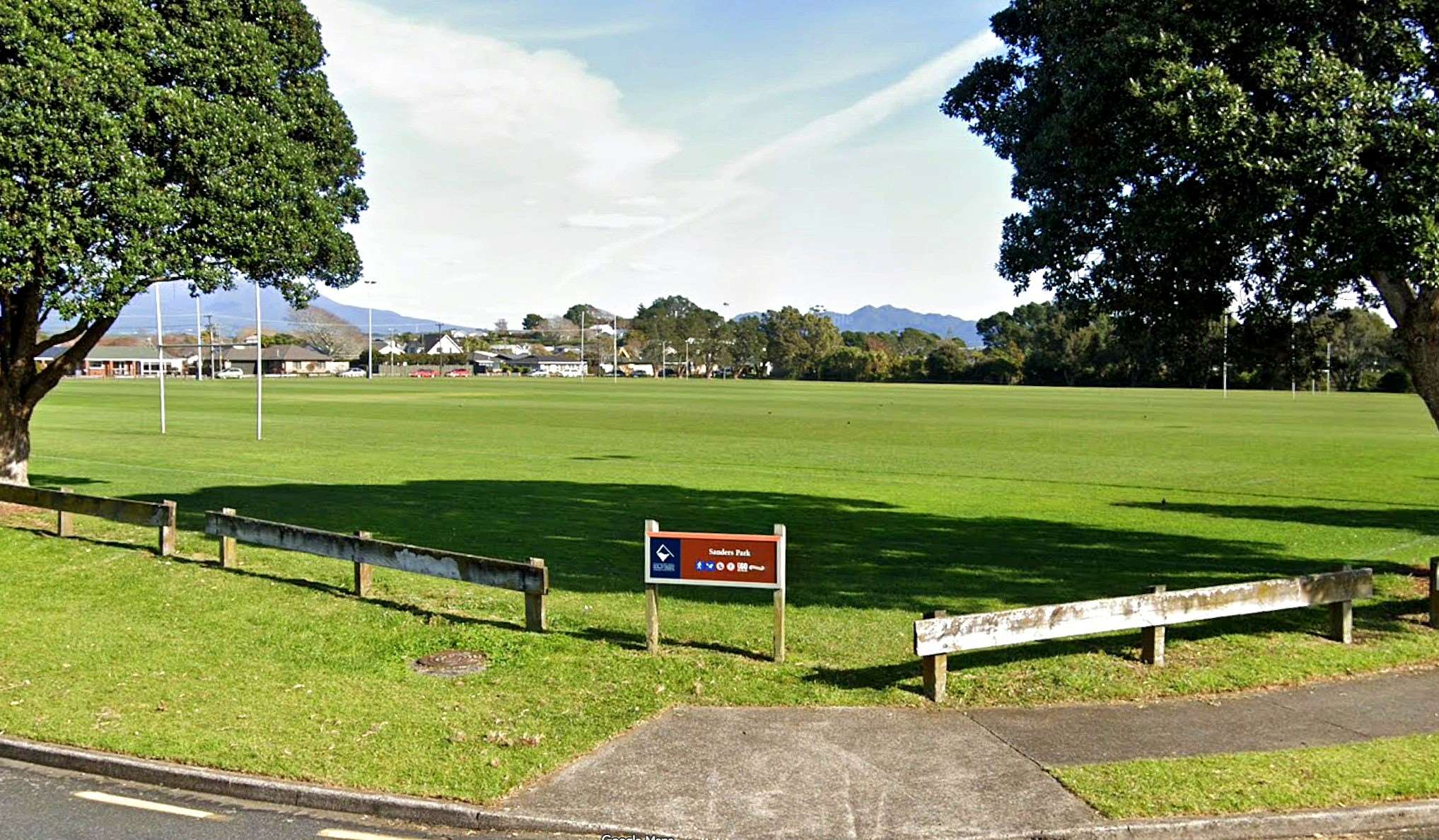
Football accounts for 70% of demand for winter sports fields in New Plymouth but has access to just 38% of the available supply, according to a new regional sporting facilities report.
The imbalance is among several issues identified in the Taranaki Regional Lawn and Sports Field Network Plan, which will be presented to New Plymouth District Council at its meeting on Thursday.
In a report prepared by council's manager of parks and open spaces, Conrad Pattison, councillors are being asked to note the plan, which recommends redistributing sports fields between codes, upgrading existing facilities and investigating future developments to meet growing demand.
According to the plan, rugby accounts for 23% of winter sports field demand but has 54% of the supply, while rugby league makes up 7% of demand and has 8% of the fields.
The report says reallocating fields between codes could help relieve pressure on existing facilities, particularly those used by football clubs.
The plan, commissioned by the Taranaki Facilities Consortium in 2025, examined sports fields and supporting facilities across the region, including those available for community and school use.
One recommendation is to confirm whether the sports fields component of the proposed Tūparikino Hub development will proceed.
The additional playing fields could increase capacity and improve the quality of New Plymouth's sporting facilities.
However, if that part of the development is indefinitely delayed or abandoned, the report recommends considering an upgrade to Field 2 at Stadium Taranaki.
Working alongside Taranaki Regional Council, the field could be developed further as a community sporting hub catering for rugby, rugby league and football training and competition.
Another recommendation is to investigate drainage improvements at existing sporting parks to increase the number of hours fields can be used each week.
Hickford Park in Bell Block has also been identified for further consideration as part of the area's spatial planning process.
With significant growth forecast for Bell Block, Pattison's report says the park will continue playing an important role in providing facilities for several sports.
Meanwhile, the future of cricket at Pukekura Park is another issue raised.
The report recommends NPDC work with Taranaki Cricket to determine the ground's future status, considering available options and consulting stakeholders including New Zealand Cricket, Central Districts Cricket and Venture Taranaki.
The long-term future of the Kaitake Community Sports Hub also requires attention, with the report recommending an investigation into relocation options because of increasing coastal inundation risks and the need for additional playing fields.
Across Taranaki, the plan encourages sporting codes to share facilities and equipment where practical, improve access to school playing fields and consider the effects of climate change on existing venues.
It also recommends investigating the impact of flooding and coastal erosion on vulnerable facilities.
The consortium includes Taranaki's councils, Sport Taranaki, Sport New Zealand and other regional organisations.
Community boards across New Plymouth District, along with Te Huinga Taumatua, have endorsed the recommendation that councillors formally note the plan.
Pattison's report says the findings will help guide future spending, partnerships and facility planning, including considerations for the 2027-2037 Long-Term Plan.